

Trauma & PTSD Therapy in Pine Brook, NJ — Online Across New Jersey
Helping adults process painful experiences, reduce triggers, and rebuild a sense of safety
Do You Feel Stuck in Survival Mode?
Trauma can change how you see yourself and the world.
Even if the event happened long ago, your mind and body may still feel on high alert, unable to fully relax or feel safe. You might find yourself avoiding reminders of the past, feeling detached from others, or wondering who you are now that life has been divided into “before” and “after.”
You may notice:
Flashbacks, nightmares, or sudden memories that feel vivid or intrusive
Feeling on edge, hypervigilant, or easily startled
Difficulty trusting others or feeling emotionally distant
Numbness, exhaustion, or trouble identifying what you feel
A sense that something inside you has shifted, and you’re not sure how to get back
These reactions are not signs of weakness, they’re your body’s way of trying to keep you safe. Trauma therapy offers a place to begin understanding what your body remembers, reconnect with your inner sense of stability, and rebuild trust in yourself at a pace that feels right.
The Lasting Impact of Trauma
Trauma is deeply personal, and its effects often extend beyond the event itself. At Eunoia, we provide compassionate, trauma-informed therapy to help individuals heal from the lasting emotional, psychological, and physical effects of trauma.
-
![A woman with brown hair and blue eyes looks out a rain-streaked window, appearing contemplative or sad.]()
PTSD & Acute Stress Therapy
Flashbacks, nightmares, hypervigilance, avoidance, and feeling constantly on edge after a traumatic event.
-
![A young woman with glasses, wearing a black headscarf, gray jacket, and blue jeans, sits on the ground against a white tiled wall, looking down with her arms crossed over her knees.]()
COVID & Long COVID Trauma Therapy
Emotional distress and nervous system dysregulation related to COVID-19, Long COVID, hospitalization, isolation, or ongoing health uncertainty.
-
![A woman with short brown hair and glasses wearing a beige sweater stands outdoors in front of a body of water, a bridge overhead, and city buildings in the background.]()
Complex PTSD Therapy
Long-term trauma affecting emotional regulation, relationships, identity, and self-worth.
-
![Side profile of a young man with short black hair, wearing a dark jacket, standing outdoors during sunset with a blurred natural background.]()
Religious Trauma & Cult Recovery Therapy
Healing from spiritual trauma, high-control groups, religious shame, identity confusion, and loss of community.
-
![A person with curly hair and a black jacket sitting on a bed, drinking from a mug, in a dimly lit room with curtains and a window in the background.]()
Medical Trauma Therapy
Medical emergencies, surgeries, serious diagnoses, chronic illness, or difficult healthcare experiences can leave lasting emotional wounds that continue long after physical healing.
-
![A police officer wearing a black uniform and cap stands outside near orange construction fencing, with blurred city buildings and street lights in the background.]()
First Responder Trauma Therapy
Repeated exposure to emergencies, loss, violence, and critical incidents can accumulate over time, affecting your mental health, relationships, and overall well-being.
-
![A man with short black hair, a beard, wearing a small hoop earring in his left ear, and a blue t-shirt, looking over his shoulder at a blurred woman with dark curly hair and glasses in the foreground.]()
Relational Trauma Therapy
Repeated experiences of betrayal, emotional abuse, neglect, manipulation, or unhealthy relationships can affect your sense of safety, trust, self-worth, and ability to connect with others.
-
![A person with dark, curly hair holds their forehead with their hand, appearing distressed or stressed, sitting indoors with curtains and a monitor in the background.]()
Dissociation Therapy
Feeling disconnected from yourself, your body, your emotions, or your surroundings can be your nervous system’s way of coping with overwhelming or traumatic experiences.








How Trauma Therapy Can Help You Heal
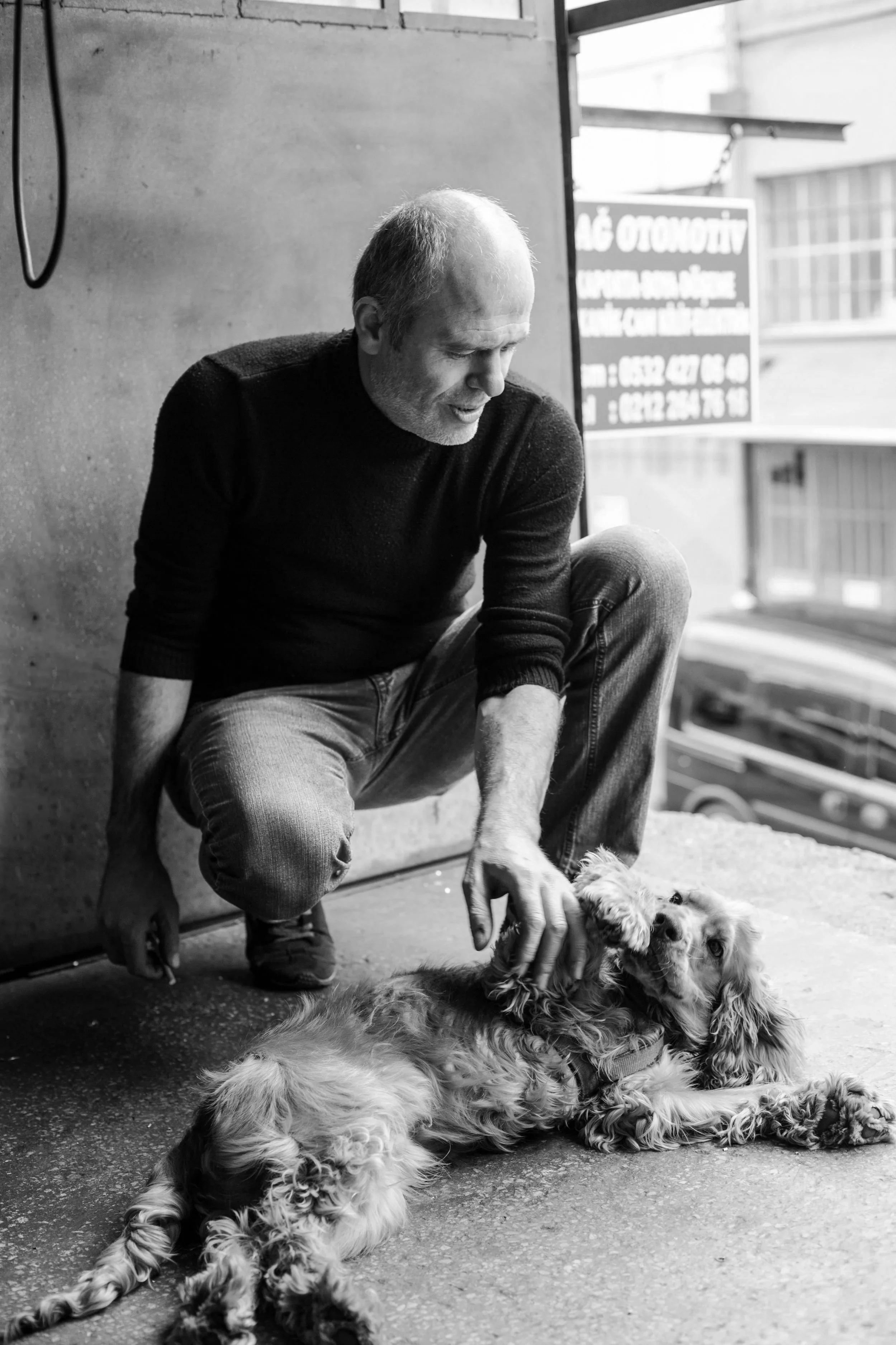


Trauma Therapy provides both stabilization and healing.
We begin by helping your nervous system feel safe again, using grounding and regulation tools to reduce distress and strengthen emotional resilience. Once you feel steady, we can begin processing traumatic memories at your own pace, never rushed, always with care.
This work isn’t just about reducing symptoms; it’s about helping you reclaim your sense of identity and wholeness. Together, we’ll explore how trauma has shaped your beliefs, relationships, and the way you see yourself, so healing becomes more than recovery; it becomes reconnection.
As you move through this process, you may begin to notice:
Triggers losing their intensity over time
Feeling more present and connected in daily life
Improved sleep and energy as your body releases tension
A renewed sense of identity and belonging within yourself
The ability to trust your instincts and emotions again
A growing sense of wholeness, safety, and self-compassion
What to Expect in Trauma Therapy
ONE | Initial Consultation
A free 15-minute call to discuss your goals, share what feels hardest, and determine whether this work feels right for you. You’ll leave with clarity and next steps.
TWO | Stabilization and Grounding
Early sessions focus on safety and regulation. We’ll strengthen your ability to manage triggers and emotions before revisiting painful experiences, ensuring therapy always feels supportive and empowering. You’ll learn how to recognize your body’s signals, set internal boundaries, and begin reconnecting with your sense of safety and agency.
THREE | Processing and Integration
When you’re ready, we’ll begin reprocessing traumatic memories using EMDR, EFIT, and other integrative approaches. This helps your brain and body release stored stress so the past feels resolved, not relived. As we integrate this work, you’ll start to feel more grounded in who you are today, not defined by what happened, but shaped by how you’ve grown through it.
Why Clients Choose Eunoia Mental Health & Wellness
Clients often say that therapy here feels calm, compassionate, and deeply grounding. Our trauma work blends evidence-based approaches with genuine human connection, creating a space that honors both science and the soul. You’ll never be pushed to revisit painful memories before you’re ready. Instead, we’ll focus on emotional safety, body awareness, and helping you reconnect with the parts of yourself that may have gone quiet after trauma.



Understanding Trauma and the Nervous System
Many of the symptoms that follow trauma are rooted in a nervous system that’s still trying to protect you.
When you’ve experienced trauma, your body remembers, even when your mind tries to move on. The nervous system can get “stuck” in survival mode, keeping you in a state of vigilance or shutdown. Over time, this affects sleep, concentration, relationships, and even your sense of who you are.
Therapy helps regulate that response. Through body-based grounding, mindfulness, and EMDR, we work with your nervous system to bring you back into balance, helping you feel calm, connected, and more like yourself again.

What Progress Can Look Like
Healing from trauma often unfolds in layers. It’s not about erasing the past, but integrating it in a way that restores your sense of self.
Clients often describe progress like this:
“I can think about what happened without feeling overwhelmed.”
“I feel connected to my emotions instead of numb.”
“I finally feel safe in my own body again.”
“I trust myself and who I’m becoming.”
These moments, subtle but profound, mark the beginning of true freedom, authenticity, and self-trust.
Frequently Asked Questions About Trauma & PTSD Therapy
-
Trauma therapy helps you process distressing experiences in a way that feels safe and empowering. We begin with grounding and nervous system regulation, then use evidence-based approaches like EMDR and Emotionally Focused Therapy to help you heal both the emotional and physical effects of trauma.
-
We work with adults who’ve experienced single-incident or complex trauma, including first responders, healthcare professionals, and caregivers exposed to chronic stress. Some clients come to therapy years after the trauma, while others seek support soon after, it’s never too early or too late to begin healing.
-
Sessions are 53 minutes long and tailored to your pace. Early work often focuses on grounding and self-regulation. When ready, we may begin processing memories using EMDR or relational methods that help integrate emotional and physical experiences safely.
-
If you’re experiencing flashbacks, emotional numbness, anxiety, or feel detached from yourself or others, therapy can help. During our consultation, we’ll talk through your goals and make sure this approach feels supportive and aligned for you.
-
Healing from trauma is unique to each person. Many clients begin with weekly sessions for stability, then adjust frequency as progress builds. You’ll always set the pace, and we’ll move through each phase together.
-
We use EMDR (Eye Movement Desensitization and Reprocessing) to process traumatic memories, EFIT (Emotionally Focused Individual Therapy) to strengthen emotional safety and connection, CBT and ACT to build coping skills and meaning, and Polyvagal-Informed Regulation and Mind-Body Integration to help calm your nervous system and promote lasting healing.
-
We provide trauma and PTSD therapy online for adults based in Pine Brook, New Jersey, and across the state through secure, HIPAA-compliant telehealth sessions.
-
Getting started is simple:
Schedule your free consultation.
Complete your intake forms online.
Begin therapy with a clear, supportive plan for healing and growth.
Clinical Insight • Human Connection • Integrative Mental Health Care
Clinical Insight • Human Connection • Integrative Mental Health Care

Ready to Reconnect With Yourself After Trauma?
You don’t have to carry it alone anymore. With support, you can move from survival toward a life grounded in calm, connection, and self-trust. Therapy helps you rediscover the parts of yourself that never stopped wanting to heal, and begin to feel whole again.