Identity Reconstruction Framework
in Pine Brook, NJ — Online Across New Jersey
An integrative framework for religious trauma, cult recovery, and coercive control that supports healing by addressing the emotional, relational, and identity-related effects of these experiences.
What Is the Identity Reconstruction Framework?
The Identity Reconstruction Framework is an integrative approach used to support individuals recovering from religious trauma, coercive control, spiritual abuse, and high-control groups. Recovery often involves much more than healing from trauma alone. Many people are rebuilding trust in themselves, grieving significant losses, questioning long-held beliefs, or discovering who they are outside the environment they left behind.
Instead of relying on a single therapy approach, this framework combines evidence-based therapies and recovery principles to address the many ways these experiences affect a person's life. Trauma, identity, relationships, grief, and nervous system responses are closely connected, so treatment considers how these areas influence each other rather than addressing them separately.
The framework is organized around five core areas that commonly play a role in healing. Together, they provide a flexible structure adaptable to each person's experiences, goals, and needs. Treatment is individualized, allowing focus on the areas most relevant while supporting meaningful, lasting healing.
The Five Pillars of the Identity Reconstruction Framework
Recovery doesn't follow the same path for everyone. These five pillars provide a flexible framework allowing treatment to focus on the areas most relevant to your experiences and goals.
-
![A young woman with long dark hair and light skin, looking downward, wearing a black top, outdoors on a cloudy day.]()
Understanding Coercive Control and Religious Trauma
Learning how coercive control, spiritual abuse, and high-control environments affect thoughts, emotions, relationships, and decision-making can reduce self-blame and provide language for experiences once difficult to explain.
-
![A woman with curly hair standing outdoors with her hands behind her head, wearing a black sleeveless top and of African descent, against a modern building with large windows.]()
Trauma Recovery and Nervous System Healing
Processing traumatic experiences while helping the nervous system recover from chronic fear, hypervigilance, and survival responses that often continue after leaving a high-control environment.
-
![A young woman with long brown hair and glasses looking to the side, outdoors during sunset or sunrise, in a natural setting.]()
Identity Reconstruction and Meaning-Making
Exploring who you are outside of the beliefs, roles, and expectations that once shaped your life while reconnecting with your own values, interests, and goals.
-
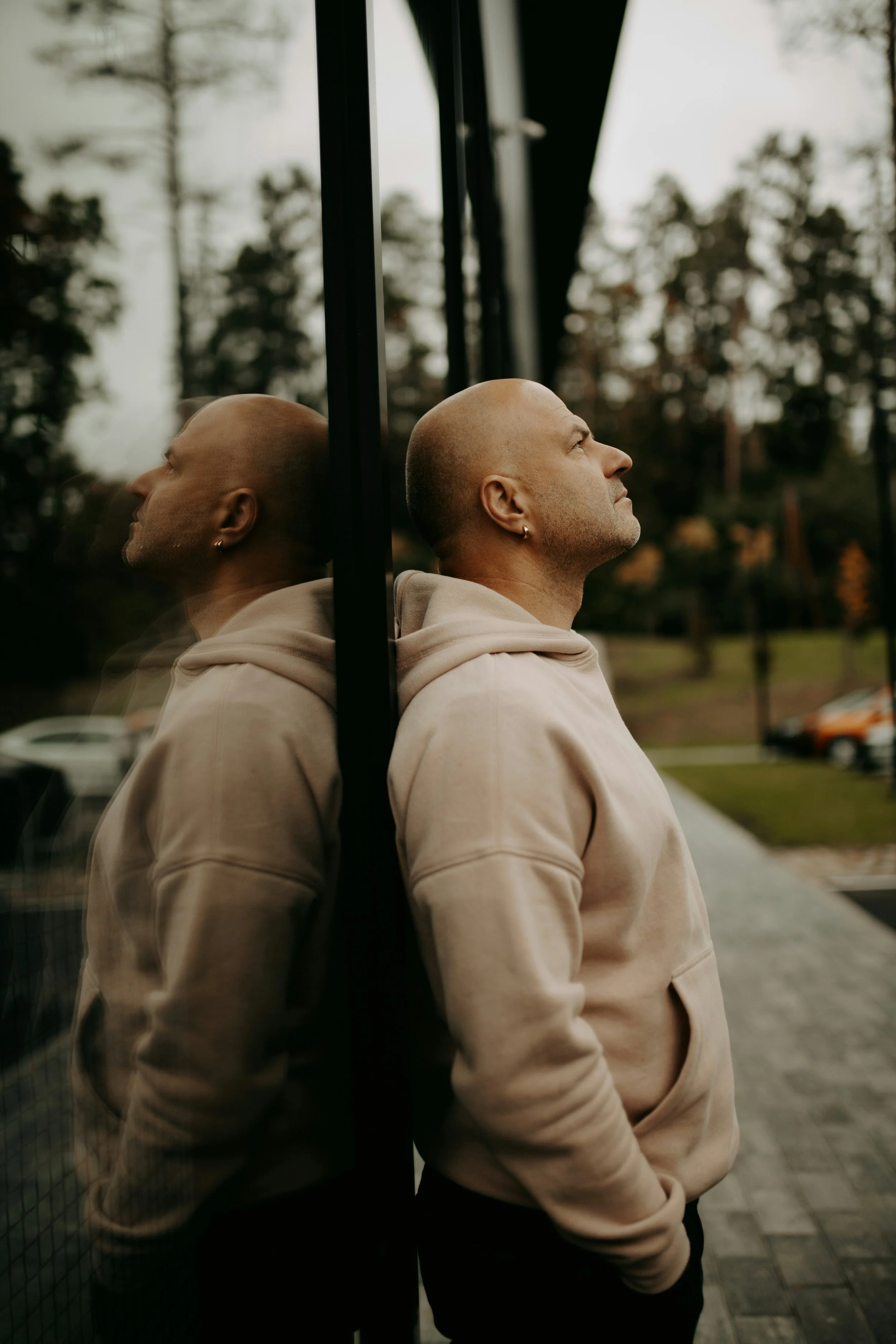
![A bald man wearing earrings and a beige hoodie, standing outdoors next to a glass window that reflects his profile, with trees and a parking lot in the background.]()
Restoring Autonomy, Self-Trust, and Personal Agency
Strengthening confidence in your own thoughts, decisions, and instincts while learning to make choices based on your values rather than fear, guilt, or outside approval.
-
![Two women sitting on a log at the beach, holding hands, with water, boats, and mountains in the background.]()
Grief, Loss, Relational Healing, and Reconnection
Processing the loss of family, community, identity, or certainty while developing healthier relationships built on trust, mutual respect, and authentic connection.






How the Identity Reconstruction Framework Is Used in Therapy
The Identity Reconstruction Framework offers a flexible guide for treatment rather than fixed steps. Depending on your experiences and goals, therapy may focus on understanding coercive control, processing trauma, rebuilding trust in yourself, navigating grief, or strengthening relationships and boundaries.
The framework also incorporates evidence-based approaches such as EMDR, Emotionally Focused Individual Therapy (EFIT), CBT, ACT, nervous system regulation, and psychoeducation when they support your goals. Each treatment plan is individualized, allowing therapy to adapt as your needs change.



-
This framework may be especially helpful for individuals:
Recovering from a cult, high-control group, or harmful religious environment
Healing from religious trauma, spiritual abuse, or coercive control
Navigating a faith transition or questioning long-held beliefs
Struggling to trust themselves or feel confident in their decisions
Grieving the loss of family, community, identity, or a sense of belonging
Working to rebuild relationships and establish healthier boundaries
Exploring who they are outside of roles, beliefs, or expectations that once shaped their lives
Seeking an approach that addresses trauma, identity, relationships, and emotional healing together
Frequently Asked Questions About the Identity Reconstruction Framework
-
No. The Identity Reconstruction Framework is an integrative framework, not a single therapy modality. It combines evidence-based therapies and recovery principles to address the unique effects of religious trauma, coercive control, spiritual abuse, and high-control groups. Treatment is always tailored to your experiences, needs, and goals.
-
Many therapy approaches focus on one aspect of healing, such as trauma, relationships, or thoughts and behaviors. The Identity Reconstruction Framework recognizes that recovery from religious trauma and coercive control often affects several life areas simultaneously. By integrating multiple evidence-based approaches, the framework supports healing across identity, relationships, grief, nervous system health, and trauma recovery.
-
Not necessarily. Every person's experience differs. Some spend more time processing grief, while others focus on rebuilding trust in themselves, exploring identity, healing trauma, or strengthening relationships. The framework offers a flexible guide that allows treatment to focus on the areas most relevant to your recovery.
-
Yes. The Identity Reconstruction Framework supports healing without telling you what to believe. Some remain connected to their faith community, while others redefine beliefs or choose a different path. Therapy respects your values and supports decisions that feel right for you.
-
No. It may also help individuals recovering from spiritual abuse, coercive control, harmful religious experiences, or other high-control environments that have affected their relationships, identity, or sense of self.
-
Depending on your needs and goals, treatment may incorporate EMDR, Emotionally Focused Individual Therapy (EFIT), attachment-based approaches, CBT, ACT, nervous system regulation, psychoeducation, grief work, and other evidence-based therapies. These approaches are integrated within the framework to support your recovery.
-
It’s simple:
Schedule your free consultation
Complete your intake forms
Begin therapy with a supportive, attuned plan
Clinical Insight • Human Connection • Integrative Mental Health Care
Clinical Insight • Human Connection • Integrative Mental Health Care

Begin Rebuilding Trust in Yourself
You don't need all the answers before reaching out. The Identity Reconstruction Framework is designed to help you reconnect with your identity, strengthen trust in yourself, and build a life that reflects your values and choices.