
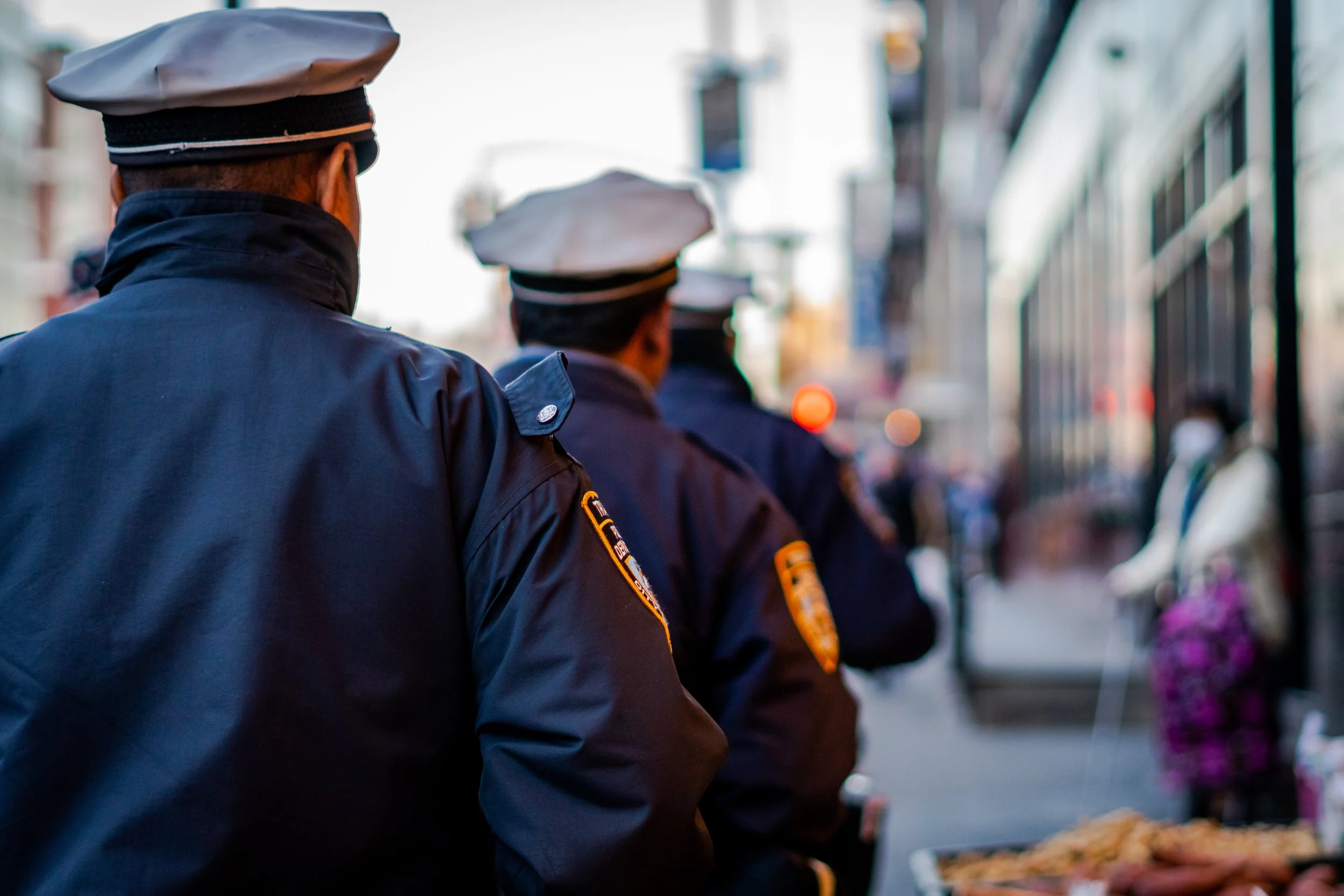
Therapy for First Responders in Pine Brook, NJ — Online Across New Jersey
Helping you reconnect with yourself and restore balance
Are You Carrying the Weight of the Job—Even When You’re Off Duty?
You’re trained to stay calm, act quickly, and handle what others can’t.
But over time, constant exposure to stress and crisis can leave its mark. Maybe it’s harder to sleep, relax, or feel present with the people you care about. Or you’ve noticed a quiet distance, feeling numb, irritable, or disconnected in ways that are hard to explain.
You may notice:
Trouble switching off after a shift or sleeping through the night
Feeling detached or emotionally shut down with loved ones
Irritability, restlessness, or tension that doesn’t go away
Images or memories that replay when you try to rest
A sense that no one outside the job truly understands
These are natural responses to the intensity of your work, not signs of weakness. Therapy offers a confidential, supportive space to process what you’ve carried and begin restoring balance.
When the Job Follows You Home
At Eunoia, we understand the unique emotional demands of careers in law enforcement, corrections, fire, EMS, dispatch, and public safety. Our therapists support first responders through the challenges that often accompany the job.
-
![A police car with flashing red and blue lights on top, parked on a city street with buildings and signs in the background.]()
Critical Incident Stress Therapy
Repeated exposure to emergencies, serious injuries, fatalities, and other critical incidents can have lasting emotional effects long after the shift is over.
-
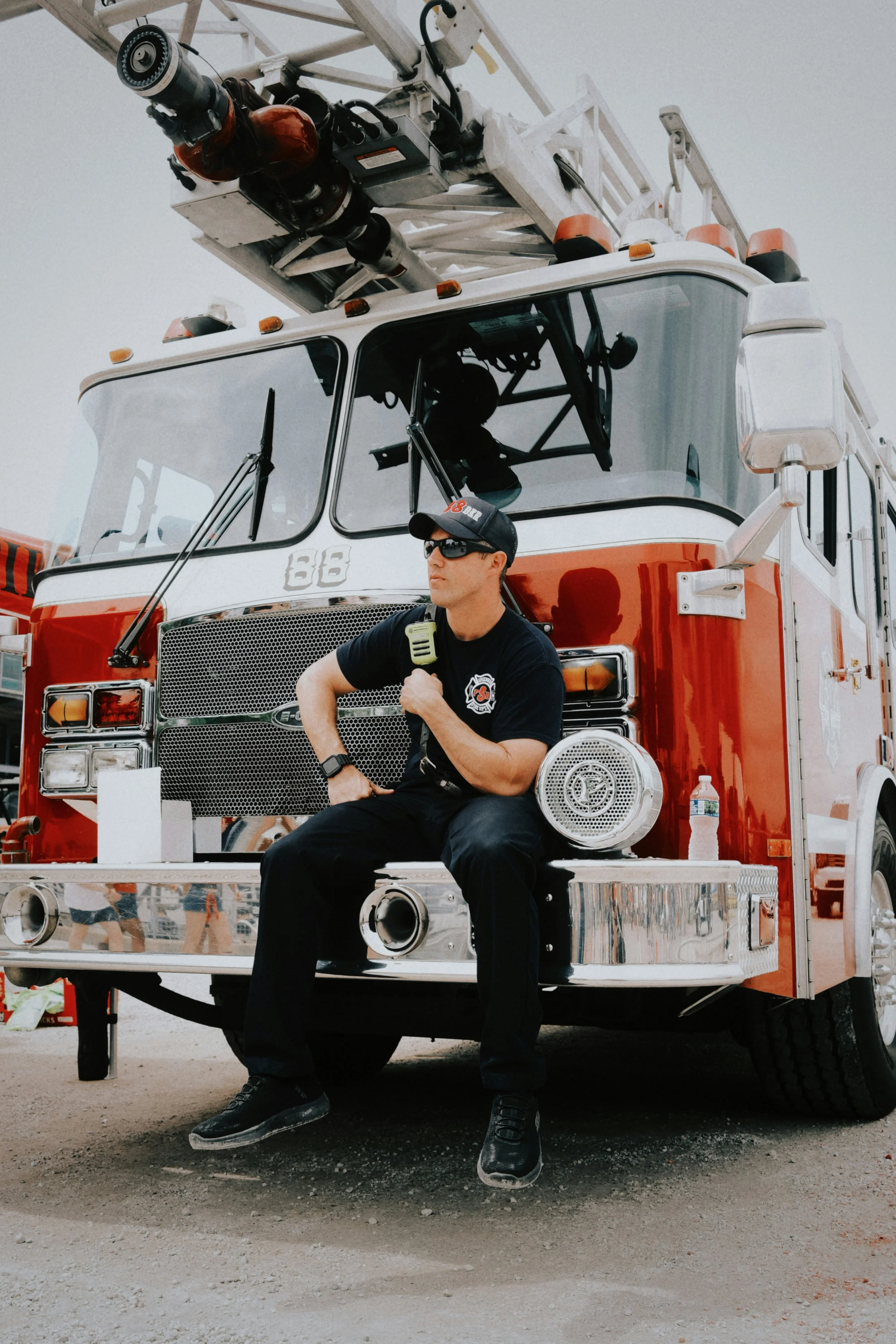
![A firefighter wearing sunglasses, a cap, and a black uniform sitting on the bumper of a red fire truck with a ladder on top.]()
Burnout & Compassion Fatigue Therapy
The ongoing demands of serving and protecting can lead to emotional exhaustion, compassion fatigue, and a diminished sense of well-being.
-
![Profile of a young man with short hair sitting in a vehicle, looking out the window, with blurred cityscape background.]()
Always on Alert Therapy
Remaining constantly vigilant on the job can make it difficult to relax, switch off, or feel fully present when you’re away from work.
-
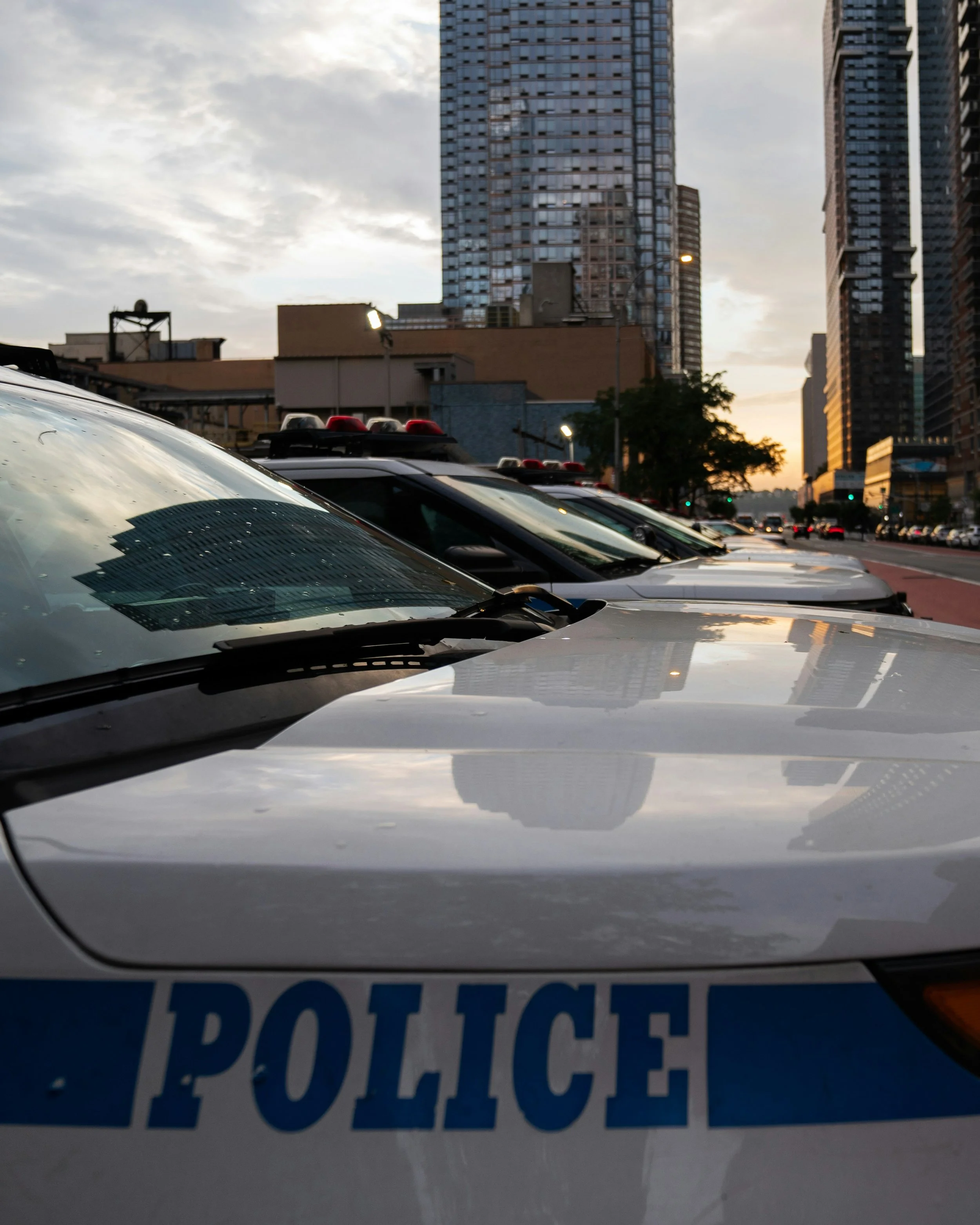
![Close-up of police cruiser with part of the blue police badge visible in front of a cityscape with tall buildings and an overcast sky at sunset.]()
Sleep & Shift Work Therapy
Rotating schedules, overnight shifts, and chronic stress can disrupt sleep, affect mood, and make it difficult to recover between shifts.
-
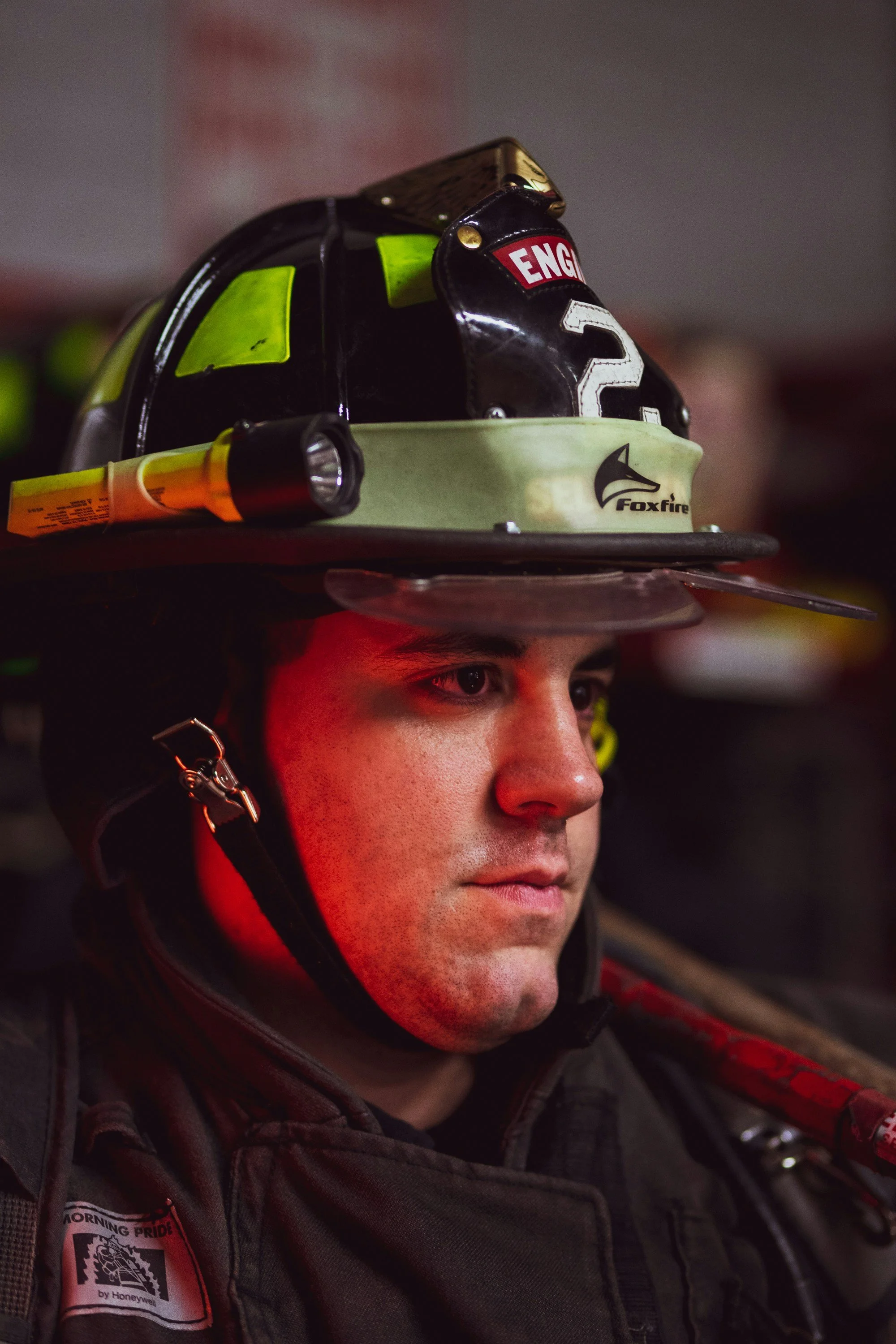
![Close-up of a firefighter wearing a black helmet with yellow reflective patches, a flashlight attached at the front, and a uniform with patches, one of which says 'MORNING PRIDE' and has a logo with a honeycomb pattern. Part of the person's face is visible.]()
Moral Injury Therapy
Experiences that conflict with your values or sense of justice can leave lasting feelings of guilt, anger, frustration, or emotional conflict.
-
![A young man is sitting on a beige sofa in a living room, playing a video game with a controller in his hands. He is wearing a gray jacket with white stripes and is focused on the screen.]()
Work-Life Balance Therapy
The emotional demands of public safety work can affect relationships, communication, parenting, and maintaining a healthy work-life balance.
-
![A person wearing a green jacket and red hat walking up wooden stairs on a forest trail surrounded by trees with brown leaves.]()
Retirement & Identity Transition Therapy
Stepping away from a career built around service can bring unexpected challenges related to identity, purpose, routine, relationships, and adjusting to a new chapter.




How Therapy Can Help
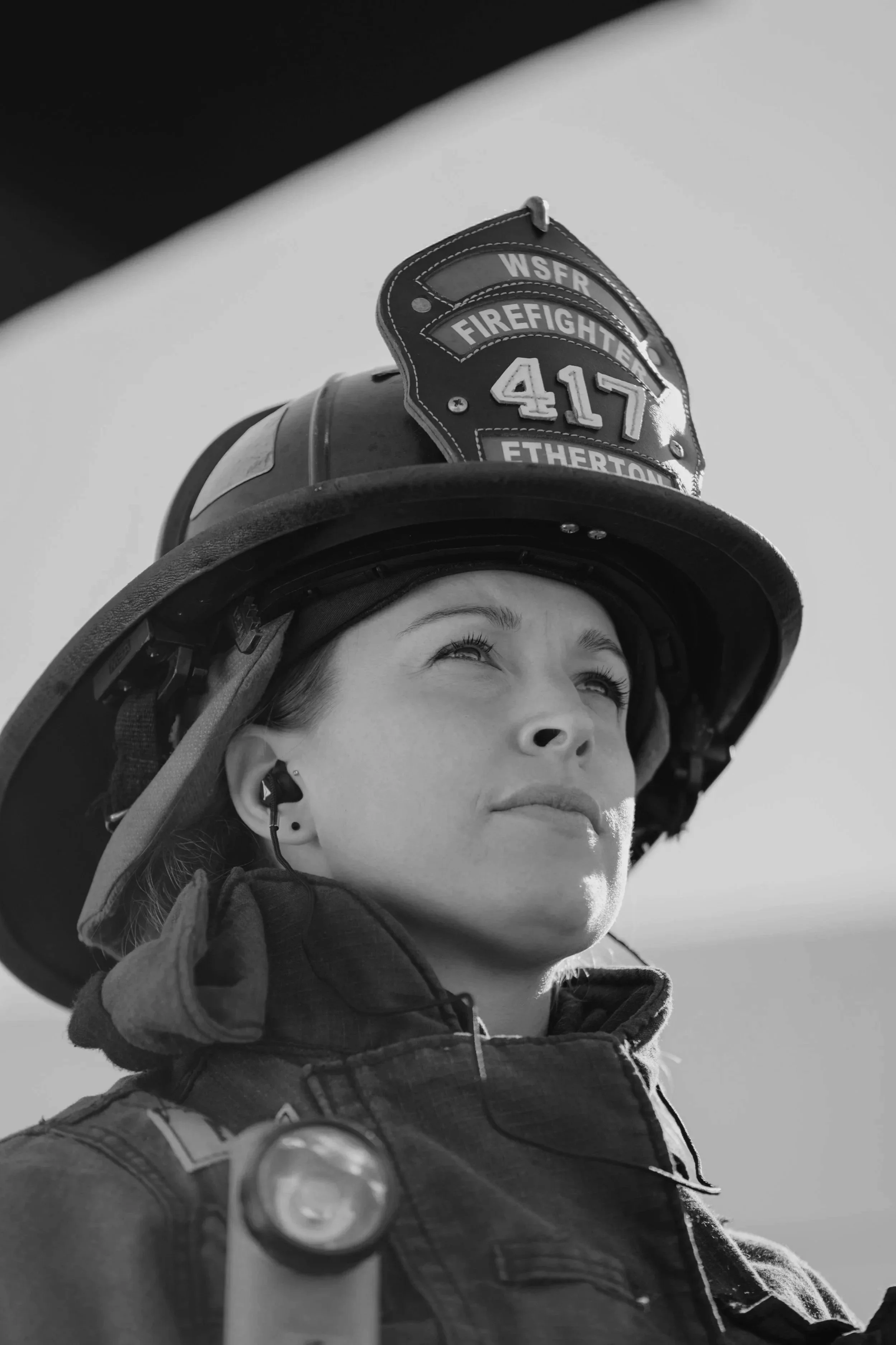
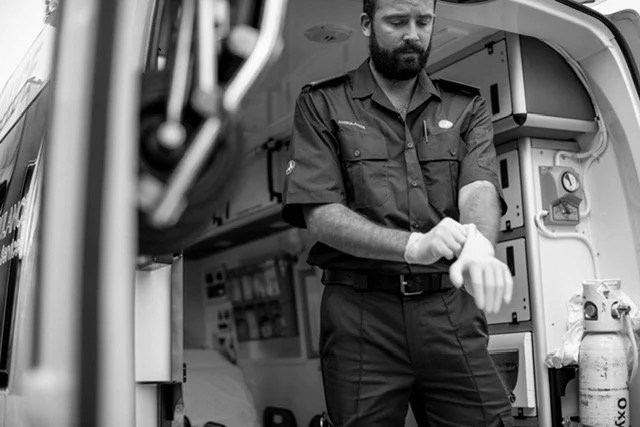
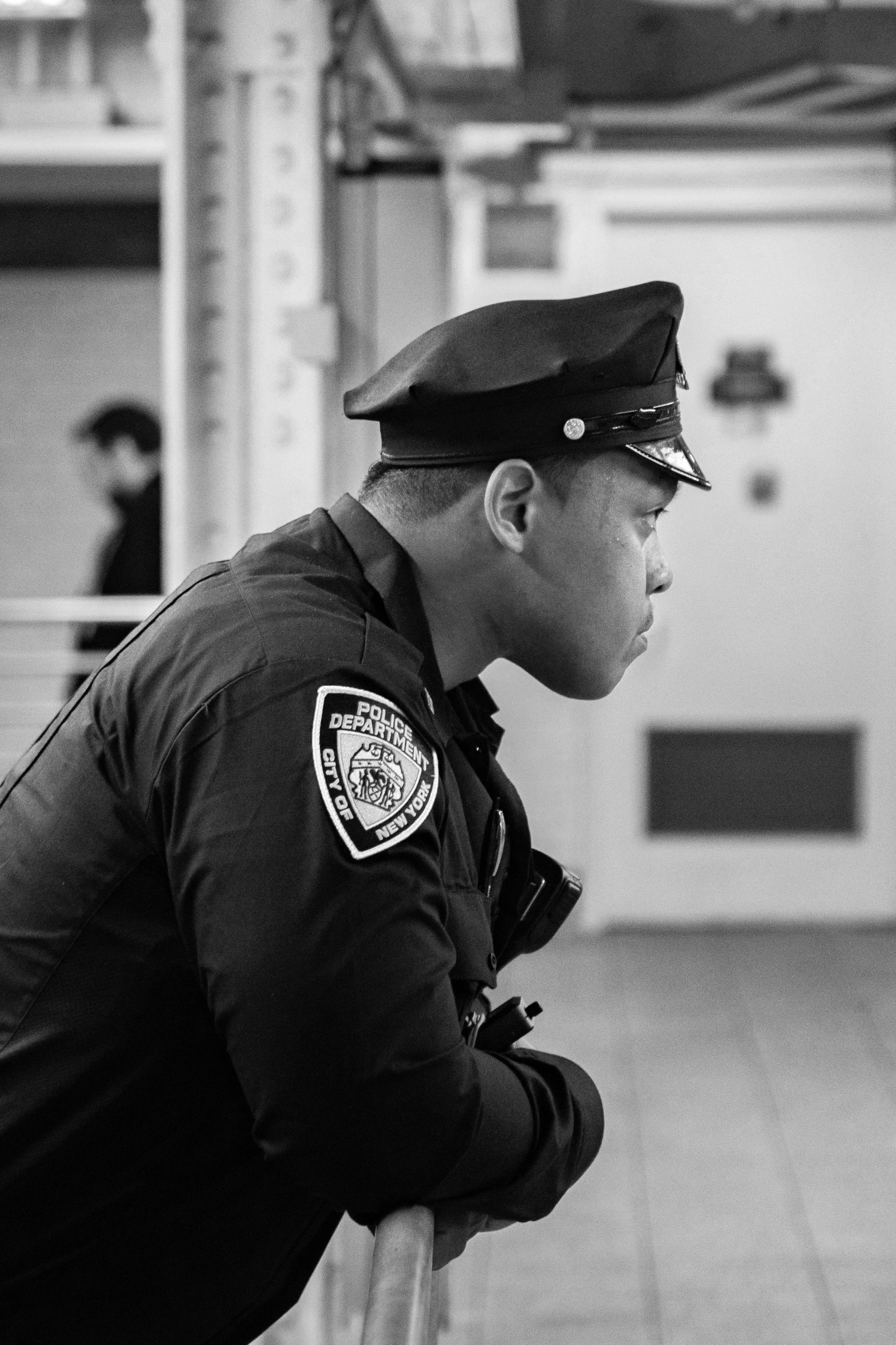
Therapy for first responders helps you manage stress, regulate your nervous system, and reconnect with yourself outside the role.
Together, we’ll translate what you’ve been carrying into signals your mind and body can work with, helping you find calm, strength, and a sense of peace that lasts beyond the job.
As therapy continues, you may begin to notice:
Sleeping more soundly and waking up rested
Feeling calmer and more in control during stressful moments
Reconnecting emotionally with loved ones
Greater clarity, self-awareness, and purpose
A renewed sense of balance between duty and well-being
What to Expect in Therapy for First Responders
ONE | Initial Consultation
A free 15-minute call to share what feels hardest, ask questions, and see if therapy feels like a good fit.
TWO | Building Safety and Support
We begin by stabilizing your nervous system and learning tools to manage stress reactions. The focus is on helping your body and mind feel grounded and safe.
THREE | Processing and Reconnecting
When you’re ready, we move at your pace to process experiences, strengthen resilience, and rebuild connection—with yourself, your values, and your relationships.
Why First Responders Choose Eunoia Mental Health & Wellness
We specialize in working with first responders, bringing both clinical training as a Certified First Responder Counselor and lived experience within the field. We understand the culture, demands, and unspoken pressures of the job, allowing us to provide care that is both clinically informed and deeply relevant to your world.
Our integrative, evidence-based approach combines trauma-informed care with compassion and respect for your lived experience. The goal isn’t just to cope, it’s to help you feel balanced, capable, and connected again, both on and off duty.



Understanding the Impact of Cumulative Stress
In first responder work, stress doesn’t come from one incident; it builds over time. Even when handled professionally, repeated exposure to trauma can keep your nervous system in high alert, affecting sleep, mood, focus, and relationships.
Therapy helps you understand and regulate these responses so your mind and body can return to balance. Through awareness and practical tools, you’ll learn how to recognize early warning signs, calm your system, and maintain resilience in both work and life.

What Progress Can Look Like
Progress often begins with small but meaningful shifts, sleeping better, feeling calmer after a shift, or reconnecting with the people you love. Over time, those moments add up to real change.
Progress might sound like:
“I can leave work at work.”
“I’m more patient and present at home.”
“I feel calmer in my body.”
“I finally feel like myself again.”
Frequently Asked Questions About Therapy for First Responders
-
It’s a confidential space to process the emotional, physical, and relational impact of high-stress work. Therapy helps you understand how ongoing exposure to trauma affects your mind and body, and gives you tools to regulate and recover.
-
We work with firefighters, police officers, EMTs, correctional officers, dispatchers, and other public safety professionals seeking support for stress, trauma, or emotional exhaustion.
-
Sessions last 53 minutes and focus on what’s most relevant that day. You’ll learn grounding tools, process experiences safely, and leave each session with one practical takeaway to apply between appointments.
-
It varies. Many clients begin weekly sessions for support, then adjust to biweekly or monthly as they regain balance. We’ll collaborate to find a pace that fits your goals.
-
We use EMDR to process trauma, Cognitive Behavioral Therapy (CBT) and Acceptance and Commitment Therapy (ACT) to shift stress patterns, and Polyvagal-Informed Regulation and Mind-Body Integration to calm the nervous system and restore balance.
-
We provide therapy for first responders online throughout New Jersey via secure, HIPAA-compliant telehealth sessions.
-
Schedule your free consultation.
Complete your intake forms online.
Begin therapy with a clear, personalized plan for support and healing.
Clinical Insight • Human Connection • Integrative Mental Health Care
Clinical Insight • Human Connection • Integrative Mental Health Care
Ready to Reconnect With Yourself?
You don’t have to carry everything alone. Therapy offers a confidential, supportive space to process what you’ve been through, calm your nervous system, and rediscover balance in both your work and your life.