

Cult Recovery and Religious Trauma Therapy in Pine Brook, NJ — Online Across New Jersey
Cult Recovery and Religious Trauma Therapy
Helping adults heal from coercive control, rebuild confidence, and create a life guided by their own values and choices.
Are You Struggling to Rebuild Your Life After Leaving a Cult, High-Control Group, or Religious Environment?
Leaving a cult, high-control group, or harmful religious environment can affect nearly every part of your life. After you leave, feelings of fear, guilt, shame, and confusion often remain. You may question your memories, doubt your decisions, or wonder if what happened was really coercive control or undue influence.
Many people grieve more than the loss of beliefs. They may mourn relationships, community, a sense of certainty, or the person they were before everything changed. After years of being told what to think, believe, and how to live, making decisions on your own can feel unfamiliar.
Rebuilding life after leaving a high-control environment takes time. Relationships may need repair or redefinition. Beliefs that once felt certain may no longer fit. Some people begin noticing interests, values, or parts of themselves that had little room before.
You May Notice:
Feeling lost or unsure of who you are outside of the group's beliefs, rules, or expectations
Constantly questioning yourself and struggling to feel confident in your decisions
Grieving the loss of family, friendships, community, or a sense of belonging
Experiencing anxiety, panic, hypervigilance, nightmares, or other lingering effects of trauma
Feeling confused about what happened and wondering if it was really coercive control or undue influence
Carrying shame about your past involvement and worrying that others won't understand
Having difficulty setting boundaries without feeling selfish, wrong, or disloyal
Feeling caught between the life you left behind and the life you're trying to create
You don’t have to figure everything out today.
Many people leave high-control environments feeling uncertain about who they are, what they believe, or whether they can trust themselves again. Healing isn’t about having all the answers. It’s about creating a safe place to process what happened, reconnect with your own voice, and begin building a life that reflects your values rather than someone else’s.
Rebuilding Trust in Yourself
At Eunoia, we support individuals recovering from religious trauma, spiritual abuse, coercive control, and high-control groups by addressing the emotional, relational, and identity challenges that often emerge after leaving.
-
![A woman looking at herself in a mirror held up in front of her face, with part of her face visible in the reflection and the rest outside the frame. The background is teal.]()
Reclaiming Your Identity
Leaving a high-control environment often means rediscovering who you are beyond the roles, expectations, or beliefs that once shaped your life.
-
![A woman with dark curly hair wearing glasses, a white headwrap, gold jewelry, and a white sleeveless top holds a bouquet of small white flowers outdoors with green trees in the background.]()
Learning to Trust Yourself Again
Years of coercive control can make even everyday decisions feel overwhelming. Therapy helps rebuild confidence in your own judgment, intuition, and inner voice.
-
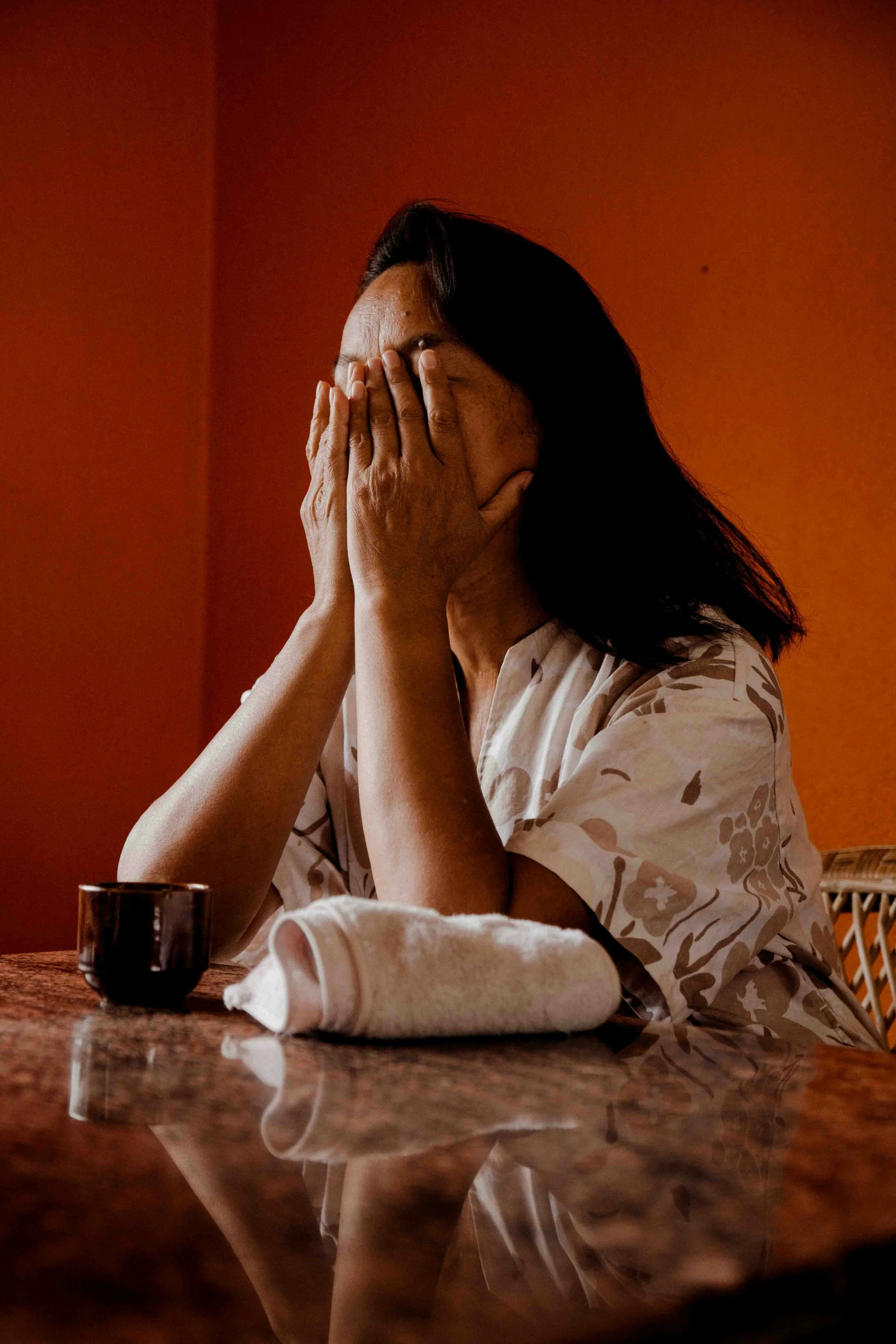
![A woman with black hair and a patterned beige shirt sitting at a table with a small glass of dark beverage, her hands covering her face, in a dimly lit room with an orange wall.]()
Healing Religious Trauma
Address the lasting effects of spiritual abuse, fear, shame, guilt, and traumatic experiences connected to harmful religious environments.
-
![Close-up of a woman with short, wavy dark hair, closed eyes, and a thoughtful or peaceful expression, wearing a black top, with her arms crossed in front of her.]()
Processing Grief & Loss
Recovery often involves grieving family, friendships, community, certainty, and the future you once imagined for yourself.
-
![Two women sitting on a beach, one smiling broadly and looking at the other, with cliffs and the ocean in the background.]()
Rebuilding Relationships
Learn to create relationships rooted in trust, mutual respect, healthy boundaries, and authentic connection.
-
![A man with curly dark hair and a mustache, wearing a dark button-up shirt, sits with his face resting on his hand and looks out of a window with a contemplative expression.]()
Navigating Faith & Meaning
Whether you maintain your faith, redefine it, or choose a different path, therapy offers space to explore your beliefs without pressure or judgment.
-
![A young woman with reddish-brown hair in a bun and a septum piercing, wearing a white T-shirt, is standing outdoors among trees with brown bark and fallen leaves on the ground. She is looking at the camera with a neutral expression.]()
Setting Healthy Boundaries
Develop the confidence to recognize manipulation, communicate your needs, and protect your emotional well-being without guilt.
-
![Person standing on a wooden breakwater along the ocean during sunset, wearing beige pants, a beige jacket, and a brown and black hoodie.]()
Moving Forward with Confidence
Recovery isn’t simply about leaving a high-control environment. It’s about building a life guided by your own values, choices, and sense of purpose.







How Therapy for Religious Trauma and Cult Recovery Can Help


You don’t need to know exactly what you believe or have answers to every question before starting therapy. You don’t have to defend your experiences or explain them to others. You can share as much or as little of your story as you feel comfortable with.
Together, we explore the beliefs, habits, and ways of thinking that may be keeping you stuck while developing practical tools that support lasting change.
Together, we’ll explore how those experiences affect your life today. Recovery often goes beyond trauma itself. Some people mourn broken relationships. Others question beliefs that once felt certain. Many learn to feel safer in relationships and trust their own decisions again.
Therapy may involve working through painful memories and losses while examining messages that create fear or shame. Over time, many people become more comfortable setting boundaries and making decisions without outside approval.
My role is not to tell you what to believe. Instead, I provide a space where you can explore your faith, values, and questions without pressure or judgment.
As therapy progresses, Many Clients Begin To:
Feel more confident in themselves and their decisions
Experience less shame, fear, and trauma-related distress
Develop healthier boundaries and stronger relationships
Reconnect with their identity and sense of autonomy
Feel more comfortable making decisions that align with who they are today rather than who they were expected to be
-
This service may be a good fit for:
• Individuals recovering from a cult, high-control group, or harmful religious environment
• People navigating a faith transition or questioning long-held beliefs
• Individuals experiencing anxiety, shame, guilt, grief, or trauma connected to religious experiences
• People struggling with self-doubt after years of coercive control or undue influence
• Individuals grieving the loss of family, friendships, community, or a sense of belonging after leaving a group
• People who feel disconnected from their identity and are trying to build a life that reflects who they are today
• Individuals who have difficulty setting boundaries or making decisions without fear, guilt, or pressure from others
• People who want support working through painful experiences while creating healthier relationships and a stronger sense of self
-
Recovery from religious trauma and life in a high-control environment often affects much more than one area of life. Experiences involving coercive control can influence relationships, identity, emotions, beliefs, and the ability to trust your own thoughts and instincts.
Because of that, therapy often involves more than trauma processing. We may spend time understanding how coercive control affected your life, grieving losses that others may not fully understand, or exploring questions about identity, faith, and relationships. The work looks different for everyone because recovery is personal and shaped by your experiences.
What to Expect In Therapy for Religious Trauma and Cult Recovery
ONE | Initial Consultation
During your consultation, we'll discuss what brought you to therapy and the challenges you're facing. You can share as much or as little of your story as feels comfortable. This is also a chance to ask questions, learn about my approach, and decide if working together feels like a good fit.
THREE | Healing and Creating a Life That Feels Like Your Own
As therapy continues, you’ll have space to work through painful experiences, challenge messages that no longer fit, and strengthen your ability to make decisions with confidence. Over time, many clients feel more comfortable setting boundaries, building healthier relationships, and making choices based on what matters most rather than fear, guilt, or others’ expectations.
TWO | Rebuilding Your Sense of Self
Early sessions focus on understanding how your experiences have affected your identity, relationships, and sense of safety. Together, we'll identify the concerns most important right now and create goals that reflect where you are in your healing process.
Why Clients Choose Eunoia Mental Health & Wellness
Leaving a high-control group is often only the beginning of recovery. Healing from coercive control requires an understanding of how trauma, identity, relationships, and belief systems interact. At Eunoia, therapy integrates evidence-based trauma treatment with specialized knowledge of religious trauma, coercive control, identity reconstruction, and nervous system regulation to support recovery that is compassionate, individualized, and grounded in your own values.



Why Leaving Doesn’t Always Feel Like Freedom
The effects of coercive control often continue long after you’ve left the environment itself
Coercive control is a pattern of manipulation that gradually shapes the way you think, feel, and make decisions. Rather than relying on physical force, it often operates through fear, shame, guilt, isolation, and conditional acceptance.
Over time, many people begin questioning their own judgment, doubting their memories, or feeling disconnected from who they are outside the expectations placed upon them.
Understanding coercive control can help make sense of experiences that once felt confusing or difficult to explain. Therapy provides a safe, supportive space to process what happened, rebuild trust in yourself, reconnect with your own values, and begin creating a life guided by your choices rather than fear or coercion.
What Progress Can Look Like
Healing after religious trauma or a high-control environment rarely happens all at once. More often, it begins with small moments of clarity, trusting yourself a little more, questioning yourself a little less, and realizing your life no longer has to be defined by fear, guilt, or someone else’s expectations. Over time, many people reconnect with who they are, what they believe, and the life they want to create.
Progress might sound like:
“I’m beginning to trust myself again.”
“I can set boundaries without feeling guilty.”
“My beliefs finally feel like my own.”
“I’m grieving what I lost while feeling hopeful about what’s ahead.”
“I feel safer making decisions without seeking someone else’s approval.”
“I’m building relationships that feel healthy and authentic.”
“I finally feel like my life belongs to me.”
Frequently Asked Questions About About ReligiousTrauma and Cult Recovery
-
Religious trauma refers to the emotional, psychological, relational, and sometimes physical effects resulting from harmful religious experiences or high-control environments. Common experiences include shame, fear, anxiety, grief, difficulty trusting yourself, and challenges with identity or relationships.
-
High-control groups rely on fear, shame, rigid rules, isolation, or pressure to influence beliefs and behavior. These environments discourage questioning, limit autonomy, or create consequences for leaving or disagreeing.
-
Many people struggle with this question. You may have been taught that obedience, sacrifice, or fear were signs of faithfulness or loyalty. Therapy offers a place to explore your experiences and understand how coercive control or undue influence affected your relationships, identity, and sense of safety.
-
You don’t have to have everything figured out before reaching out. If you’ve noticed yourself feeling more stressed, stuck, constantly overthinking, or unlike yourself lately, therapy can provide a space to better understand what’s happening and begin making meaningful changes. Our free 15-minute consultation is simply a chance to talk, ask questions, and see if we’re the right fit for your goals.
-
Yes. Therapy respects your values and beliefs. The goal is not to take faith away from you but to help you heal from painful experiences and develop a relationship with spirituality that feels healthy and personally meaningful.
-
Feelings of guilt, fear, grief, or confusion are common after leaving a high-control group or harmful religious environment. These reactions reflect years of conditioning rather than personal weakness or failure.
-
Yes. Therapy can help you heal from trauma, navigate grief, strengthen boundaries, rebuild confidence in yourself, and create relationships and communities that reflect the life you want today.
-
Depending on your needs and goals, treatment may incorporate EMDR, Emotionally Focused Individual Therapy (EFIT), attachment-based approaches, CBT, ACT, nervous system regulation, and psychoeducation related to coercive control and religious trauma.
-
Yes. I use an integrative framework designed specifically for individuals recovering from religious trauma, coercive control, and high-control groups. Depending on your needs, therapy may include trauma processing, psychoeducation, nervous system regulation, grief work, identity reconstruction, and relational healing. Treatment is always tailored to your experiences and goals.
-
We provide therapy for men online across New Jersey through secure, HIPAA-compliant telehealth sessions you can access from home, work, or wherever feels most comfortable.
-
Starting is simple:
Schedule your free consultation.
Complete your intake forms online.
Begin therapy with a clear plan and supportive guidance.
Clinical Insight • Human Connection • Integrative Mental Health Care
Clinical Insight • Human Connection • Integrative Mental Health Care
Begin Rebuilding a Life That Feels Like Your Own
Healing after a high-control group or harmful religious environment takes time. You deserve support as you navigate what comes next.